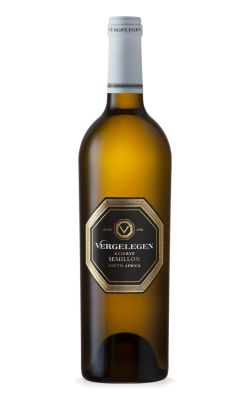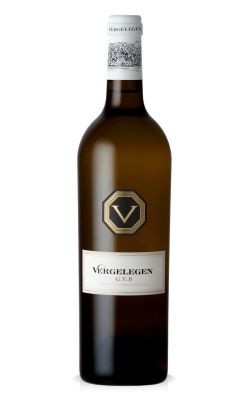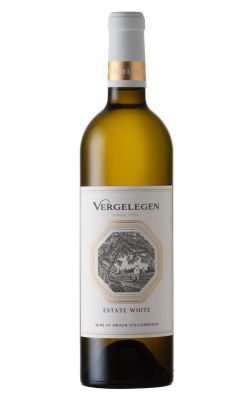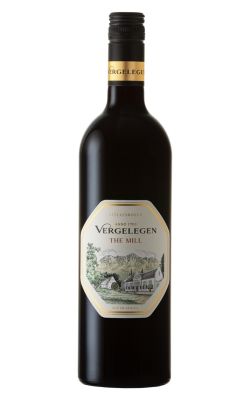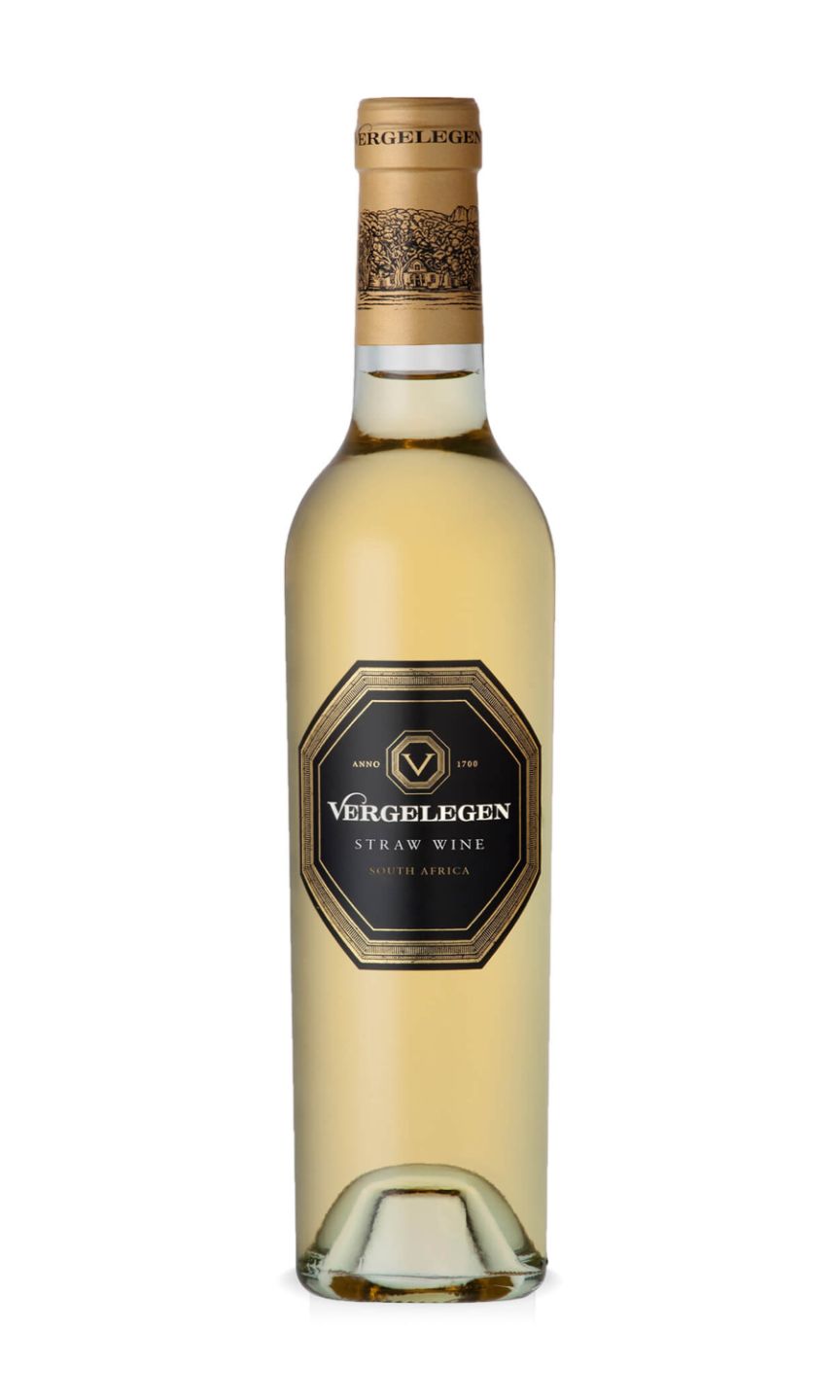
Vergelegen EstateSémillon Straw Wine 2021 (Half Bottle)
Product code: 13741
Product enquiry
Notify me when this product is back in stock.
All pictures shown are for illustration purpose only. Actual label may vary due to changes between vintages.
Taste Profile
Product Notes
Vergelegen Estate Sémillon Straw Wine is a unique and delicious dessert wine that boasts of exceptional sweetness and complexity. Produced from the Sémillon grape, this straw wine is made by drying the grapes on straw mats, resulting in concentrated flavors. The wine is aged in oak barrels for two years, enhancing its richness and adding a subtle oak flavor. The Vergelegen Estate Sémillon Straw Wine is a beautiful pale gold color and has an aromatically intense nose of honeycomb, apricots, and orange blossom. On the palate, it is intensely sweet with flavors of dried apricots and figs, yet retains a lovely acidity that balances the wine beautifully. It is a beautiful pairing for blue cheese and desserts.


You may also like
- Limited Stock: (0 btls)
- Limited Stock: (0 btls)
- Limited Stock: (0 btls)
- Limited Stock: (0 btls)
- Limited Stock: (8 btls)
- Limited Stock: (0 btls)