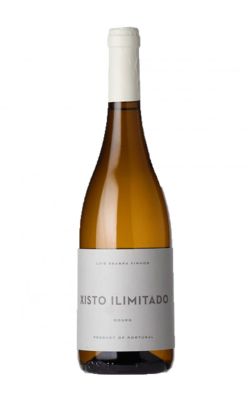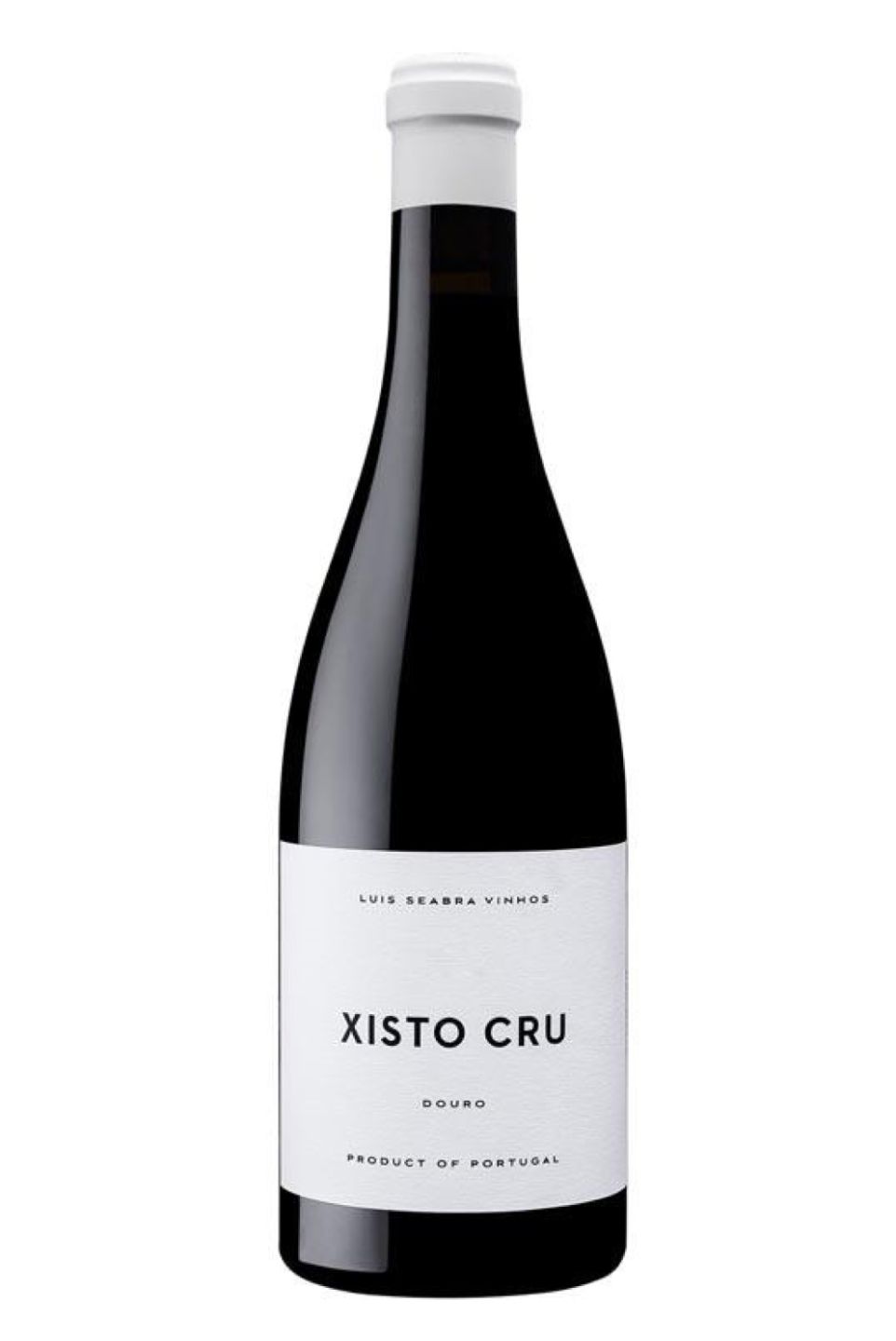
Luis Seabra VinhosXisto Cru Branco 2022
Product code: 20095
All pictures shown are for illustration purpose only. Actual label may vary due to changes between vintages.
Taste Profile
Tasting Note
Brilliant straw. On the nose, high toned and mineral driven aromas of sour peach, flowers, fresh fennel bulb and savory. On the palate, more peach, citrus zest and fennel, with white pepper and floral tones rounding out the finish.
Product Notes
Luis Seabra Vinhos Xisto Cru Branco is a vibrant and complex white wine that is crafted with precision and care. This wine comes from the Douro region of Portugal and is made using indigenous grape varieties such as Rabigato, Codega do Larinho, and Gouveio. The palate of this wine is filled with flavors of fresh citrus, stone fruits, and minerality. It is an elegant and refreshing wine that has a lively acidity with a long and lingering finish. Luis Seabra Vinhos Xisto Cru Branco is an excellent choice to complement seafood dishes or creamy pasta dishes. It is a unique wine that is sure to impress even the most discerning wine drinkers.

You may also like
-
- Limited Stock: (0 btls)