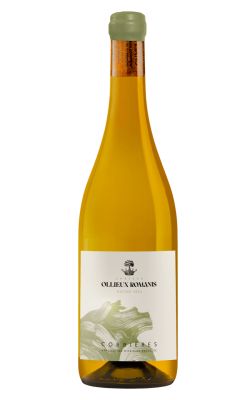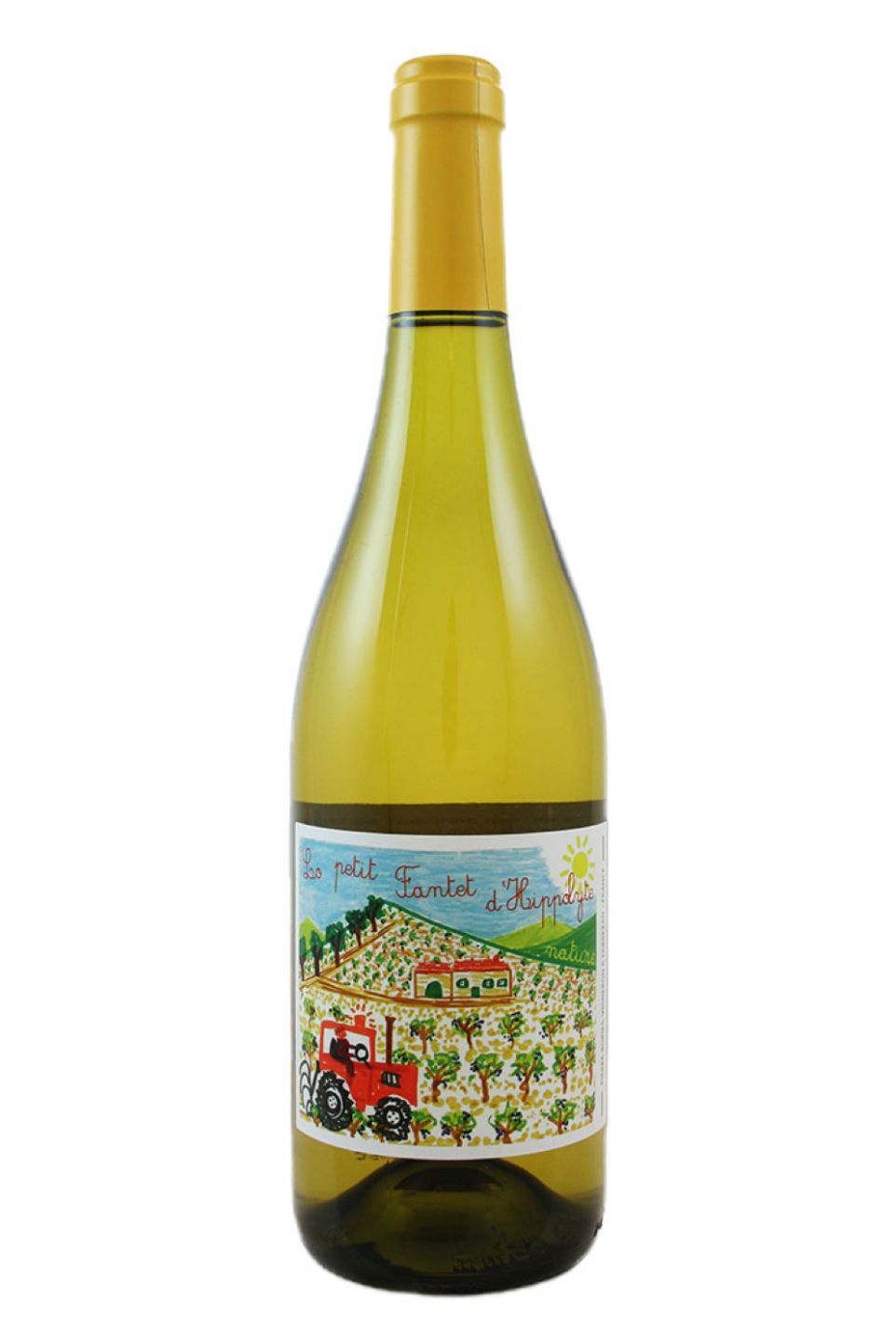
Chateau Ollieux RomanisLo Petit Fantet d'Hippolyte Blanc 2024

Product code: 23815
£13.35 inc VAT
Country
Country: France
Sub-Region
Sub-Region: Corbieres
Type
Alcohol
Alcohol: 13.50%
Volume
Volume: 750 ml
Winemaker
Winemaker: Pierre Bories
Grape: 40% Roussanne, 25% Marsanne, 35% Grenache
only {{ limitedStock }} available Sold in multiples of {{ caseSize }} {{ inCartQuantity(productId) }} in cart
Sold in multiples of {{ caseSize }}

All pictures shown are for illustration purpose only. Actual label may vary due to changes between vintages.

Country
Country: France
Sub-Region
Sub-Region: Corbieres
Type
Alcohol
Alcohol: 13.50%
Volume
Volume: 750 ml
Winemaker
Winemaker: Pierre Bories
Grape: 40% Roussanne, 25% Marsanne, 35% Grenache

Taste Profile

Light
Bold
Dry
Sweet
Soft
Acidic

Tasting Note

Organic-certified white blend from the heart of the Languedoc. Fresh and balanced, with lovely, crisp white fruits and waxy texture.

Product Notes

Chateau Ollieux Romanis Lo Petit Fantet d’Hippolyte Blanc is a delicious white wine hailing from the Languedoc region of France. This crisp and refreshing wine is made from a blend of Vermentino, Roussanne and Grenache Blanc grapes grown on the estate’s vineyards. The Vermentino provides bright acidity and a floral bouquet, while the Roussanne adds a richness and depth to the wine, and the Grenache Blanc gives it a subtle hint of fruit. This wine has a pale yellow color and aromas of fresh citrus and white flowers. On the palate, it delivers a lively acidity and flavors of citrus and apricot, leading to a long and refreshing finish. This wine pairs well with seafood, salads and grilled vegetables.
About the Winery

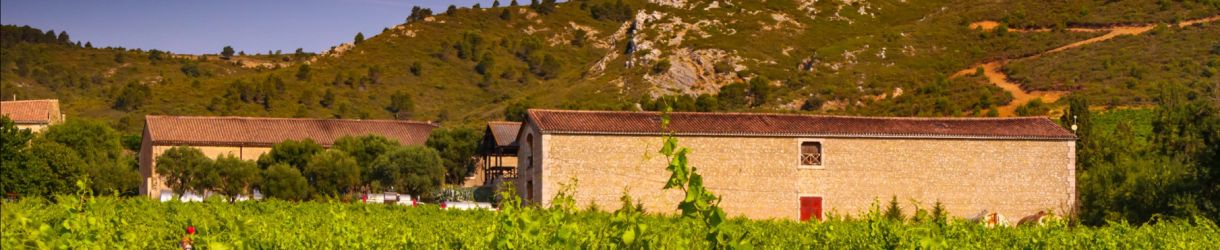
Chateau Ollieux Romanis

The French wine estate of Chateau Ollieux Romanis is considered to be one of the oldest in the world. Its history dates back to over a thousand years ago, during the role of the Romans. Today, the estate is located right in the centre of the Pinada Massif, in Corbieres. It is located right on the road that connects Abbeys of Fontfroide with Lagrasse. Thousands of years ago, this place was an important source of drinking water. The water sources can be seen even today, which is why the temperatures can be naturally controlled in the cellars. By the 18th century, this place started to become a wine-growing region of predominance in France.

http://www.chateaulesollieux.com

Find out more