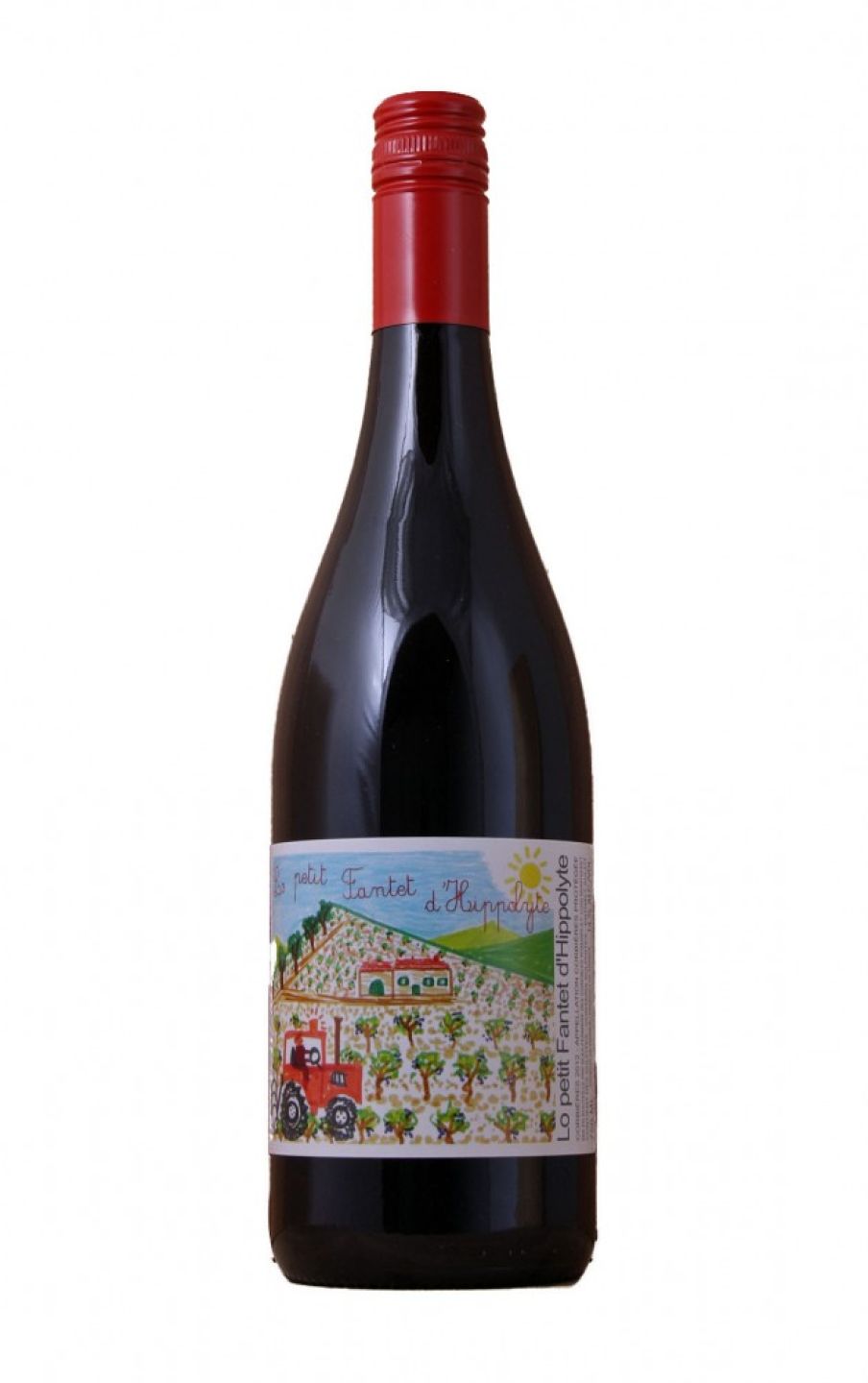
Chateau Ollieux RomanisLo Petit Fantet d'Hippolyte Rouge 2024
Product code: 23361 £13.80 inc VAT

Country: France
Region: Languedoc-Roussillon
Type: Red Wine
Winery: Chateau Ollieux Romanis
Alcohol: 14.50%
Volume: 750 ml
Winemaker: Pierre Bories
Grape: Carignan
Grape: 50% Carignano/Carignan, 30% Grenache/Garnacha, 20% Shiraz/Syrah
only {{ limitedStock }} available
Sold in multiples of {{ caseSize }} {{ inCartQuantity(productId) }} in cart
Sold in multiples of {{ caseSize }}
All pictures shown are for illustration purpose only. Actual label may vary due to changes between vintages.
Country: France
Region: Languedoc-Roussillon
Type: Red Wine
Winery: Chateau Ollieux Romanis
Alcohol: 14.50%
Volume: 750 ml
Winemaker: Pierre Bories
Grape: Carignan
Grape: 50% Carignano/Carignan, 30% Grenache/Garnacha, 20% Shiraz/Syrah
Taste Profile
Light
Bold
Smooth
Tannic
Dry
Sweet
Soft
Acidic
Product Notes
Chateau Ollieux Romanis Lo Petit Fantet d'Hippolyte Rouge is a sophisticated and luscious red wine from Languedoc, France. Made from a blend of predominantly Syrah and Grenache grapes, this wine is deep ruby in color with a spicy and fruity aroma. It has a silky smooth texture with flavors of blackcurrant, plum, and herbs, all tied together with a hint of oak. This wine is well-balanced, with a medium body and moderate tannins that make it perfect to pair with red meats and hearty dishes. Its complex character and unique blend make Chateau Ollieux Romanis Lo Petit Fantet d'Hippolyte Rouge a must-try for wine enthusiasts.


You may also like
- Limited Stock: (1 btls)
-
- Limited Stock: (0 btls)